- Whatsapp: +85270404389
- Email: [email protected]

Waking up with a stiff or persistently sore neck can put a damper on your mood. The culprit behind this is often a lack of support from your pillow. The core of support lies in a frequently overlooked key factor: the density of the memory foam inside the pillow. This seemingly insignificant detail determines whether the pillow can effectively support your cervical spine and maintain its shape for a long time. For anyone considering purchasing a memory foam neck pillow, understanding the foam density is the first step in finding a product that meets your needs and lasts.
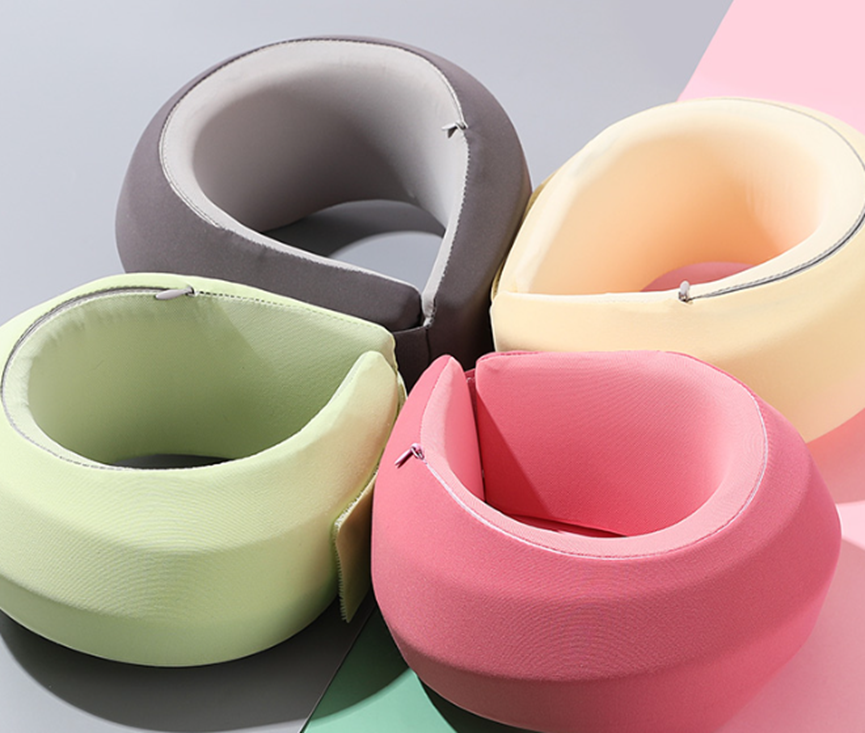
The density of memory foam refers to the weight of the foam per cubic meter. This measurement value is not a sign of hardness but an indicator of the concentration of the foam material. Before processing the foam core into pillows or other products, the manufacturer weighs it to calculate the density, which is a consistent and industry-standard measure for evaluating the quality of the foam.
Density is divided into three core categories, each with different characteristics that affect neck support: low density (≤30D), medium density (30D–40D), and high density (≥40D). Each range meets different sleep needs, and understanding these differences can help avoid making hasty guesses when choosing a pillow that suits your neck.
The density of the foam is the key factor determining the performance of the memory foam neck pillow for sleeping. It directly influences the four crucial elements of neck support.
Foam with a higher density has a more compact bubble structure, which enables it to fit the unique curves of your neck and head perfectly and won’t make you sink too deeply. This precise fitting method can effectively relieve those pressure points that cause stiffness and pain. In contrast, foam with a lower density may sink too deeply and fail to provide adequate support for the neck, resulting in excessive muscle tension during sleep.
The shape retention ability of the pillow directly affects its long-term value. And density is the main determinant of this characteristic. High-density foam is less likely to deform after being used at night. As long as you take good care of it, its shape can be maintained for many years. However, low-density foam ages more quickly and loses its shape and support ability, which leads to the need for more frequent replacement.
The rebound time, which is the speed at which the foam returns to its original state after being subjected to pressure, is also closely related to the density. Foam with a high density has a slower rebound time (3 to 5 seconds), meaning that when you move, it gradually adapts to your neck and provides continuous adaptive support. Foam with a low density has a faster rebound time, thus unable to maintain the fit with your body posture. Medium-density foam achieves a balance, providing an appropriate rebound time.
The ultimate goal of any neck support is to achieve the correct alignment of the cervical spine, and the density ensures that this alignment remains throughout the night. Higher-density foam can keep the neck in a neutral position, aligning it with the other parts of the spine, and as an additional benefit, reducing the pressure on the lower back. If the foam is too loose and sinks, the neck will tilt forward or to one side, causing misalignment. Over time, this can lead to stiffness in the morning and chronic neck pain.
Each density range has its own unique advantages and disadvantages. The correct choice depends on your sleep habits, body type, and the severity of your neck pain.
|
Density Range |
Key Traits |
Ideal For |
|
Low Density (≤30D) |
Lightweight, fast response time, soft feel, lower durability |
Casual use, light sleepers, those who prefer a memory foam soft neck pillow for occasional use |
|
Medium Density (30D–40D) |
Balanced contouring, moderate response time, good shape retention |
Balanced contouring, moderate response time, good shape retention |
|
High Density (≥40D) |
Precise contouring, slow response time, excellent shape retention, long durability |
Side/back sleepers, those with chronic neck pain, anyone seeking long-term support |
Choosing the appropriate density requires matching the characteristics of the foam material to your personal sleep conditions. By considering four key factors, you can narrow down your options and find a pillow that can provide personalized support for your neck at any time.
Your main sleeping position determines how much support your neck requires. Side sleepers need a denser and more supportive foam material to fill the gap between the neck and the mattress, while back sleepers can choose a medium-density material for a gentle fit. For those who sleep on their backs, they might prefer a low-density, soft foam material to reduce neck tilt.
For long-term neck pain or stiffness, a high-density foam pad should be used. This is because its precise shape design and solid support can target pressure points and correct misalignments. Minor, occasional aches can be relieved by a medium-density foam pad. Although this type of pillow is not as hard as the high-density one, it achieves a balance between comfort and support. Low-density pads are only recommended for those who do not have neck pain and prefer a soft feel.
Body weight will affect the amount of pressure exerted by the pillow, so the density should also be adjusted accordingly. People with heavier body weight will exert greater pressure, so high-density foam materials need to be used to prevent excessive sinking and maintain the supporting effect. People with lighter body weight can choose medium or low-density foam.
Not all memory foam materials have the same quality. Therefore, when purchasing, pay attention to quality certification marks such as “CertiPUR-US”. This certification ensures that the memory foam does not contain harmful chemicals and is produced using sustainable processes while undergoing durability and performance tests. This is a crucial detail for any trustworthy manufacturer of memory foam neck pillows. Certified memory foam ensures that the stated density is accurate, so you can be sure that the product you purchase indeed provides the support effect corresponding to the price you paid.
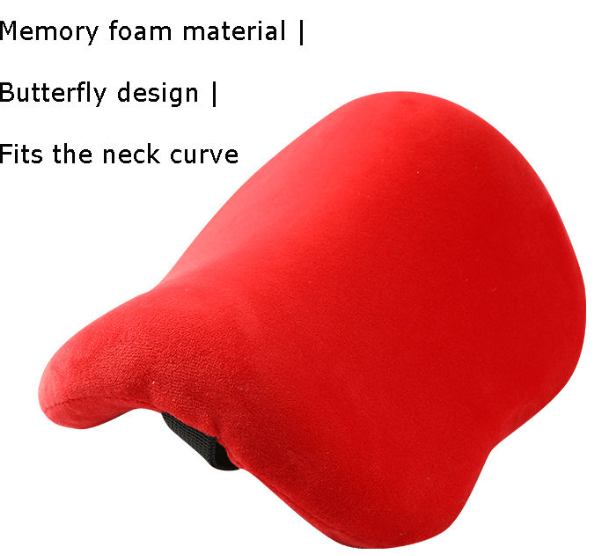
Misconceptions about the density of the foam often lead consumers to choose the wrong pillows. Dispelling these misunderstandings is crucial for making informed decisions.
Q1: Will a denser memory foam neck pillow provide better neck support for everyone?
A1: Not necessarily. For lighter sleepers or those who prefer a soft texture, this mattress might feel too hard. For most sleepers, a medium-density mattress is the best choice as it is the most versatile.
Q2: Can I use the same density of foam material to make both a memory foam neck pillow for sleep and a portable memory foam neck pillow?
A2: You can choose, but many people will opt for a slightly lower-density travel pillow because they are more portable. For frequent travelers, a medium-density travel pillow can achieve the best balance between support and portability.
Q3: How long can a high-density neck memory foam pillow last with proper maintenance?
A3: A high-quality high-density pillow can last 3 to 5 years, while medium-low density pillows usually last 1 to 3 years. Following the correct maintenance methods can extend the usage time to some extent. For example, using washable pillowcases can extend the lifespan of any foam pillow.
Q4: When choosing a pillow that matches your neck density, what aspects of the manufacturer’s information about memory foam material neck pillows should I pay attention to?
A4: Look for manufacturers that clearly label the foam density, provide quality certifications such as CertiPUR-US, and focus on neck-supporting products. For example, the brand DC Pillow customizes the density of pillows according to specific sleep needs to ensure you get the appropriate support for your neck pain or sleeping posture.
The density of memory foam affects every aspect of a pillow’s performance. This includes shape fit, pressure relief effect, shape retention ability, and spinal alignment. Whether you are purchasing a memory foam neck pillow for sleeping stiffness, choosing a neck pillow for daily use, or selecting a memory foam neck pillow travel model for travel, understanding the density can help you make a personalized choice based on your own physical condition and habits. Low density provides a soft and lightweight feel, suitable for occasional use; medium density strikes a balance between support and comfort, suitable for most sleepers; and high density can provide precise and long-lasting support for chronic neck pain.
In addition, the quality of the foam is equally non-negotiable. Partnering with a trustworthy manufacturer of memory foam neck pillows ensures that the stated density is accurate and that the foam is certified as safe. Moreover, this pillow is designed for true cervical support, not just for marketing purposes. Brands like DC Pillow stand out in this field, as they can manufacture pillows of various densities that match different sleep conditions and prioritize durability and comfort in every design.
Do you want to select the appropriate for your neck pillow memory foam? Contact DC Pillow now. Their sleep and ergonomics experts team will help you select the density, pillow style, and support level that best suits your unique neck needs. Whether you are purchasing for a home sleep pillow or a portable travel pillow, you can be sure that the pillow you buy will provide you with a safe and comfortable sleep.

We provide professional OEM/ODM services to make your memory foam pillow a reality in a precise and meticulous way.
Privacy Policy | SiteMap
Copyright Wenzhou Dengchuang Home Textile Co., Ltd.