- Whatsapp: +85270404389
- Email: [email protected]

Having a pillow that supports your neck, keeps your spine aligned, and ensures a comfortable night’s sleep is of great importance. Among the vast array of pillows available in the market, two types stand out due to their popularity: memory foam pillows and bamboo pillows. Each offers unique benefits to the bedroom, catering to different sleep preferences and needs. No matter what your requirements are, understanding the differences between these two pillows is crucial for choosing your perfect sleep companion. This blog will delve into their features, comfort factors, and ideal usage scenarios to help you make an informed decision and enhance your sleep quality.

A memory foam pillow for sleeping made of a foam material with viscoelastic properties. This material can respond to the body’s heat and pressure. It will gently conform to the shape of your head and neck, reducing pressure points. High-quality pillows usually have a foam core with higher density, which can maintain shape while providing customizable support. Some even have an arc-shaped design to support the neck or waist area. This type of pillow is also called a sleep memory foam pillow, and it is highly favored because it can adapt to an individual’s sleeping position. The reliable products behind these are the manufacturers of memory foam pillows, who balance comfort and durability by designing the density and texture of the foam.
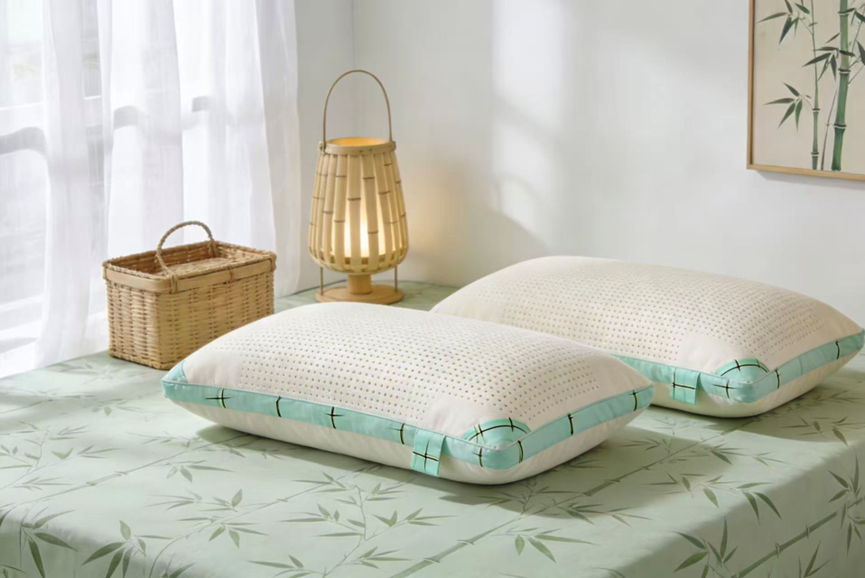
The characteristic of bamboo pillows lies in the fact that their outer covering is usually made of bamboo cellulose. This is a fabric derived from the extraction of bamboo fibers. Common filling materials include shredded memory foam, microfibers or latex. However, some high-end products use bamboo fibers to make the entire pillow. The bamboo fiber covering layer is its most prominent feature. It is soft, smooth, and has natural moisture absorption, sweat discharge and cooling properties. Unlike traditional pillows, bamboo pillows often perfectly combine the breathability of bamboo with the support of filling materials such as shredded memory foam. This mixed design attracts many sleepers who seek comfort without sacrificing air circulation.
Fiber Memory Foam Pillow: This fiber memory foam core pillow excels in its ability to conform and support. It can fit snugly around your head and neck, maintaining the correct alignment of your spine, side-lying, and prone sleeping positions. It is particularly suitable for those with neck pain issues, providing stable support throughout the night.
Bamboo Pillow: The supporting effect depends on the internal filling. Fragmented memory foam or latex fillings can offer a moderate level of conformity, while microfiber-filled models have a softer and more fluffy supporting effect. They have some flexibility, but may not achieve the precise hardness of the firm memory foam.
Memory foam pillow: Traditional memory foam tends to accumulate heat, which can cause overheating for hot sleepers. However, high-quality memory foam pillows usually use gel filling or open structures to improve air circulation, thereby reducing heat accumulation.
Memory foam pillow: It is both firm and elastic. It provides a supportive feeling without being stiff. The surface is smooth and uniform, and it can comfortably fit your body.
Bamboo cushion: The bamboo outer layer gives the product a silky and soft texture, which is very gentle on the skin. The internal fillers, such as fragmented memory foam or microfiber materials, can create a soft and cloud-like comfort.
|
Factor |
Memory Foam Pillow |
Bamboo Pillows |
|
Hypoallergenic |
High-quality options resist dust mites and mold, but low-quality foam may emit VOCs initially. |
Bamboo fibers naturally repel dust mites, mold, and bacteria. The hypoallergenic cover is ideal for allergy sufferers or those with sensitive skin. |
|
Health Safety |
Look for CertiPUR-US certified foam to ensure low VOC emissions. |
Bamboo viscose is often eco-friendly (when processed sustainably) and free from harsh chemicals. |
Memory foam pillow: A well-made sleep memory foam pillow can last for 3 to 5 years. It is easy to maintain, requiring only local cleaning.
Bamboo pillow: Most pillows have detachable and machine-washable covers for easy cleaning. The internal filling may become harder over time (especially for microfiber materials), and needs to be replaced every 2 to 3 years.
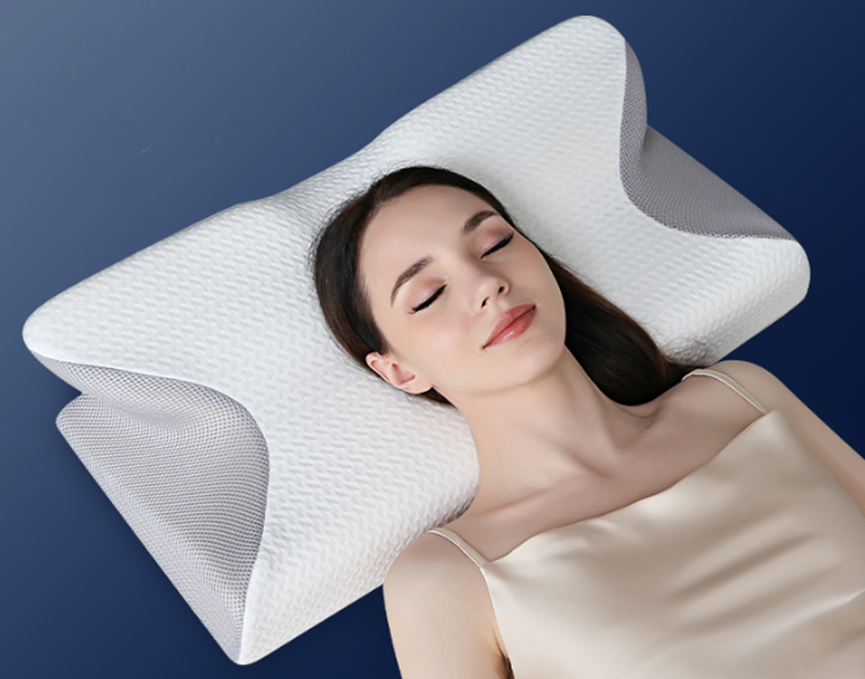
Memory foam pillows for sleep are highly suitable for:
Those who prefer sleeping on their side or back and prefer a stable and evenly supportive bed rather than a soft and comfortable one.
Users who choose pillows with the function of adapting to individual sleeping positions can enjoy a personalized comfortable experience, providing you with a more fitting and comfortable feeling.
The bamboo pillows are highly suitable for:
Q1: Can memory foam sleep pillows effectively relieve neck and shoulder pain?
A1: High-quality memory foam pillows have an elastic inner core that can fit the head and neck, evenly distribute pressure, and maintain the natural spine alignment. This effectively alleviates discomfort caused by neck strain, shoulder tension, and poor sleep postures.
Q2: Are memory foam pillows suitable for all sleeping positions?
A2:Absolutely. Ergonomically shaped memory foam pillows can provide stable and strong support for side-lying and supine sleepers. Adjustable-density models can adapt to different sleeping positions to meet individual needs.
Q3: Does DC Pillow offer high-quality memory foam sleep pillows that meet different needs?
A3:Yes. DC Pillow focuses on the research and production of memory foam sleep pillows and has launched various models, including arc-shaped, gel-containing, and standard support types. These products aim to meet the support and comfort needs of sleepers of different positions.
Q4: How long can a memory foam pillow last? And how should it be maintained?
A4:A well-made memory foam pillow, if properly maintained, can maintain its shape and support for 3 to 5 years. It only requires local cleaning. Do not immerse it completely in water as it may damage the foam core. In addition, regular ventilation is also helpful in maintaining its performance.
Choosing between a memory foam pillow and a bamboo pillow ultimately depends on personal sleep habits, physical needs, and comfort preferences. For sleepers who prioritize cooling breathability, silky softness, and easy maintenance, bamboo pillows are a comfortable and practical choice, especially for those who tend to overheat at night or have sensitive skin and allergy concerns.
However, when it comes to long-term spinal alignment, targeted pain relief, and consistent support, memory foam pillows have distinct advantages. Their viscoelastic properties and customizable support design can adapt to different sleeping positions, maintain the natural curvature of the cervical spine, and provide lasting comfort—making them a reliable choice for those with neck and shoulder pain or those who value stable support for quality sleep.
Both pillow types have their own unique strengths, and the right choice is the one that aligns with your individual sleep requirements. By considering factors such as support needs, temperature regulation preferences, and durability expectations, you can select a pillow that enhances your sleep quality and brings lasting comfort to your nightly rest.
For those seeking premium memory foam pillows designed to meet diverse sleep needs, DC Pillow offers a curated range of ergonomic options—crafted with CertiPUR-US certified foam, featuring gel infusions for breathability and arc-shaped designs for targeted neck support. Every product is engineered to deliver consistent spinal alignment and long-lasting comfort, catering to side, back, and stomach sleepers alike, and providing a reliable solution for anyone pursuing high-quality rest.

We provide professional OEM/ODM services to make your memory foam pillow a reality in a precise and meticulous way.
Privacy Policy | SiteMap
Copyright Wenzhou Dengchuang Home Textile Co., Ltd.