- Whatsapp: +85270404389
- Email: [email protected]


Many people, even after changing multiple memory foam pillows, still encounter stiff necks, interrupted sleep, and persistent shoulder pain. The root cause lies in the mismatch between an individual’s weight and the hardness, height, and foam density of the pillow. Countless consumers do not realize that weight can directly affect sleep quality when purchasing ordinary memory foam sleeping pillows.
This guide details how to choose the appropriate specifications of memory foam sleep pillows based on weight and provides practical suggestions to help each sleeper select the ideal memory foam pillow according to different weights.
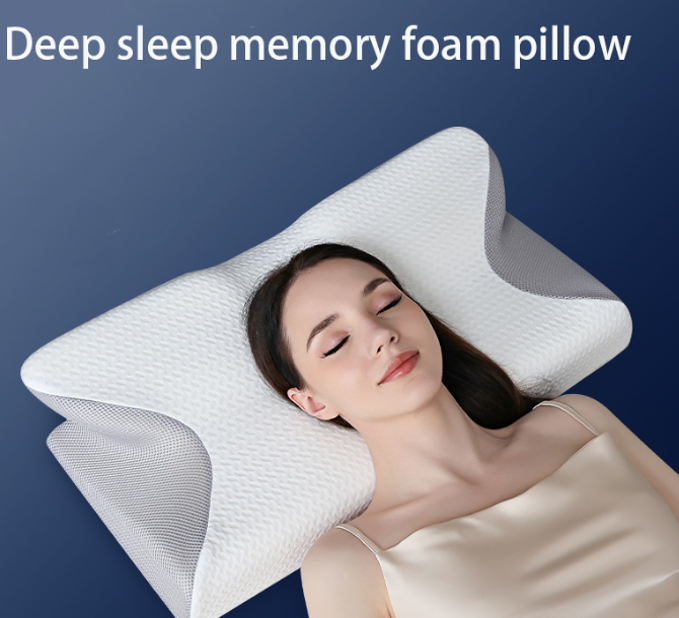
A reliable set of memory foam core pillows has several unnegotiable features compared to cheaper alternatives:
Uniform density, ranging from 45D to 60D, avoiding rapid flattening under continuous pressure
Slow rebound time of 3–5 seconds, wrapping the head and not delaying due to position movement
Low-allergenic foam certified by CertiPUR, without irritating chemical additives
Breathable, detachable cooling cover, effectively preventing the common heat accumulation of solid foam
Stable structure, maintaining the original fluffiness and not shrinking after daily use for 2 to 3 years
There are mainly three mainstream structures available in the market, each suitable for different weight ranges:
Solid-profile memory foam: A formed ergonomic curve, with a fixed height design, ideal for sleepers who need stable neck support
Adjustable shredded foam: Loose foam fragments, equipped with detachable fillers, allowing for adjustable height and softness
Gel-infused memory foam: A foam core with a cooling layer embedded within, suitable for people of various body types who are prone to heat and discomfort
The compression of foam follows simple physical principles: heavier objects exert greater downward pressure, crushing low-density foam. The table below shows the compression differences for different weight levels under standard foam density:
| Body Weight | Typical Foam Compression Level | Loft Loss Overnight |
| Under 130 lbs | 15–20% | Minimal, retains full height |
| 130–200 lbs | 25–35% | Moderate, slight sinking |
| Over 200 lbs | 45–60% | Severe, noticeable flattening |
Pillow density, firmness level, loft thickness, and core volume are all designed based on expected weight support. Manufacturers adjust foam density to counteract the sinking effect of high-density foam under heavier loads, while lightweight foams focus more on gently conforming around smaller frames.
Ignoring body weight when selecting a pillow can lead to two common sleep issues: lighter individuals may experience excessive neck stiffness, while heavier users often suffer from inadequate shoulder support. Understanding this relationship between weight and specifications is essential for finding the ideal high-quality memory foam pillow suited to different body types.
Narrow-edge designs exert minimal pressure on the foam, allowing soft to medium-firm foams (40D–50D density) to gently contour to the body without creating a rigid, oppressive feel. Low to medium loft (2–4 inches) prevents excessive head elevation, making them especially suitable for back and side sleepers. Tearable adjustable models excel here, as excess filling can be removed to create a cloud-like, pressure-free resting surface.
Heavier sleepers require high-density foam (55D–60D) and medium to extra-firm firmness levels. Higher loft (4–6 inches) compensates for foam compression, filling the gap between shoulders and mattress during side sleeping. Solid-contour memory foam cores are the top choice, as they resist mid-night collapse.
Below is a concise guide matching core specifications—density, firmness, and recommended pillow type—to weight categories: Lightweight (<130 lbs): 40D–45D density, soft to medium firmness, adjustable shredded memory foam pillow
Average weight (130–200 lbs): 45D–50D density, medium firmness, dual-purpose contour or shredded foam
Heavyweight (>200 lbs): 55D–60D density, medium to extra-firm, solid gel-filled contour foam
This simple framework provides a clear guideline for pairing memory foam pillows with individual body weight, eliminating guesswork during purchase.
When shopping for a potential high-quality memory foam pillow, compare the product’s listed specifications with your weight range before buying:
Check the foam density label on the packaging; avoid low-density foams if you have a heavy frame
Press firmly with your palm to test firmness; heavier users should feel strong resistance even with less than 1 inch of compression
Confirm adjustable height features, ideal for lightweight buyers who prefer thinner pillows
Prioritize CertiPUR-US certification to ensure durability under repeated weight stress

Standard pillows on the market rarely offer perfect support for extremely heavy, tall, or chronically injured neck users. Professional memory foam pillow manufacturers can customize pillows according to individual weight, precisely meeting personal needs.
Customizable components from professional factories include:
Adjustable foam density ranging from 38D to 65D
Adjustable base height from 2 to 7 inches
Hybrid core structures combining solid and shredded foam for balanced feel
Custom-sized pillowcases tailored to shoulder width and body proportions
Consider the firmness of the mattress: A softer mattress causes your body to sink deeper, so you need a pillow that is slightly firmer than the recommended value for your actual weight.
Combine weight with sleeping position: Regardless of your weight, side sleepers need an additional 1 inch of thickness; while back sleepers should choose a thinner foam, regardless of body type.
Test the compressibility before purchase: If the pillow sinks more than 2 inches when pressed, it will not be able to meet the needs of a heavy sleeper throughout the night.
Replace the pillow every 2 to 3 years: Foam materials gradually lose density and elasticity over time. Frequent users may need to replace it within about 2 years.
Use removable fillers appropriately: Light sleepers can remove some of the foam to reduce the height; deep sleepers should keep all the fillers.
Can a memory foam pillow be suitable for both mild and severe sleepers to share the same bed?
The adjustable layered design provides maximum flexibility, allowing each person to independently increase or decrease the foam filling. For shared beds, the adjustable series of DC Pillow can meet the softness needs of slender body types while also providing enhanced support for tall body types.
Will the gel memory foam affect the weight-based support performance?
The gel layer mainly regulates temperature, not hardness. Please choose a gel pillow with a density that matches your weight range.
How can I determine if my current pillow is not compatible with my weight?
Common warning signs include stiff neck upon waking, continuous head tilting up or down throughout the night, or the appearance of obvious permanent indentations after use that do not recover.
Are contour memory foam pillows more suitable for sleepers with larger body sizes?
Yes, their integrated molding structure can achieve uniform force distribution, while loose fragmented foam is prone to shifting and uneven pressure when bearing a larger weight.
Weight is a hidden fundamental factor in choosing a suitable pillow, as it determines the requirements for foam density, height, and hardness of each memory foam pillow for sleeping. From slender body types, light users who prefer soft and low pillows, to deep sleepers who need high-density, strong support to cope with their own weight, the core principle remains that the foam specifications must be able to counteract the compression force your body generates each night.
By learning how to select the ideal memory foam pillow based on different weights, you can avoid discomfort caused by ill-fitting bedding and find high-quality memory foam pillows for people of different body types. Mastering the skill of matching memory foam core pillows with personal weight can also reduce unnecessary expenditures on general pillows that cannot support unique body shapes.
If you need specification suggestions tailored to your weight, sleep posture, and neck health needs, please contact DC Pillow‘s professional sleep product consultant immediately. Our team will explain each foam parameter in detail and match you with a memory foam sleep pillow specifically designed for your body.

We provide professional OEM/ODM services to make your memory foam pillow a reality in a precise and meticulous way.
Privacy Policy | SiteMap
Copyright Wenzhou Dengchuang Home Textile Co., Ltd.