- Whatsapp: +85270404389
- Email: [email protected]


When purchasing neck support accessories, most buyers focus solely on ergonomic design or softness, overlooking the impact of raw materials on personal health and the environment. Memory foam neck pillows have become essential for home relaxation and travel comfort, yet traditional petroleum-based foams and synthetic fabrics carry hidden drawbacks—such as chemical off-gassing, poor heat dissipation, and non-biodegradability after disposal.
This guide provides a detailed analysis of key considerations in sourcing sustainable materials for this core sleep product, covering various usage scenarios including daily home use and portable travel. We will explore how to select eco-friendly raw materials for memory foam neck pillows, offering practical recommendations for both consumers and memory foam neck pillow manufacturers. Whether you’re a consumer seeking toxin-free, healthy sleep or a manufacturer aiming to enhance your product line, choosing sustainable materials delivers significant value.
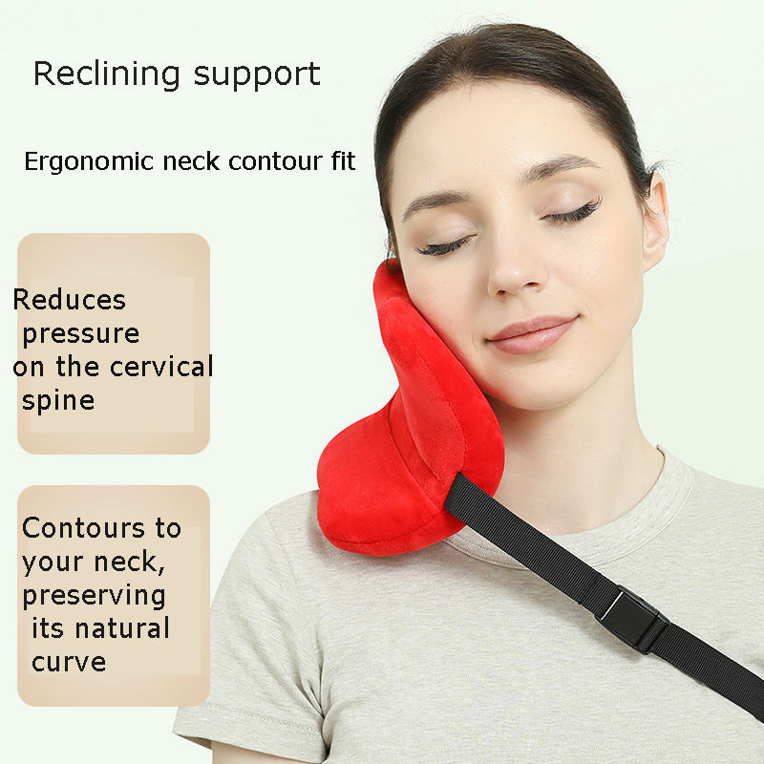
Viscoelastic memory foam distinguishes these neck support products from inflatable bead pillows and cotton-filled ones by conforming to the unique curvature of the cervical spine and evenly distributing pressure points.
These soft memory foam neck pillows offer gentle cushioning combined with stable spinal support, designed specifically for extended indoor rest. The core foam uses a low-density bio-based formula that avoids stiffness, paired with a soft outer fabric to minimize friction and irritation on sensitive skin. Its slow recovery and open-cell honeycomb structure promote heat dissipation, helping prevent night sweats. As a memory foam neck pillow for sleeping, it fits comfortably on beds, office chairs, and lounge sofas, making it ideal for users experiencing mild neck tension or chemical sensitivities.
For frequent commuters, this travel-friendly memory foam neck pillow effectively relieves discomfort during upright sleeping on planes, trains, or long car rides. Compact and compressible, it easily stores in a small pouch without permanent deformation. Beyond travel naps, it can also serve as an office desk headrest or post-workout neck support brace.
Sustainable raw materials directly improve everyday sleep quality by addressing the shortcomings of fully synthetic materials:
Low volatile organic compound (VOC) emissions: Plant-based foams and organic textile covers release no toxic gases, reducing morning headaches and respiratory irritation for allergy-prone individuals.
Natural temperature regulation: Fabrics like organic cotton and kapok efficiently wick away excess heat, overcoming the overheating issue common in conventional memory foam.
Allergy resistance: Wool, natural latex, and lyocell effectively resist dust mites and mold, making them ideal for households with asthma or sensitive skin.
Skin-friendly design: Pesticide-free textiles reduce itching and redness after eight hours of skin contact.
Traditional memory foam relies entirely on fossil fuel derivatives. High-quality sustainable materials reverse this environmental harm through three key approaches:
Renewable ingredients: Soybean oil and castor oil replace some petroleum components in bio-based foams, reducing fossil resource consumption.
Biodegradable lifecycle: Organic cotton, kapok, and natural latex naturally decompose, avoiding microplastic pollution.
Closed-loop production: Lyocell and recycled polyester fabrics reuse water and textile waste during manufacturing, significantly lowering industrial carbon footprint.
To identify the best raw materials for sleeping memory foam neck pillows, we separate the core foam base from the outer cover fabric.
| Material Category | Specific Options | Core Eco & Comfort Advantages | Suitable Scenarios |
| Modified Memory Foam Core | Bio-based soy/castor foam | Reduces petroleum usage by 30%–40%, low odor, CertiPUR-US certified | All home & travel neck pillows |
| Natural Support Fill Blends | Natural latex, organic kapok | Anti-mite, breathable, fully biodegradable | Extra soft home sleeping styles |
| Breathable Pillow Covers | Organic cotton, TENCEL Lyocell | Pesticide-free, moisture-wicking, machine washable | Daily use soft models |
| Lightweight Travel Covers | Recycled PET, bamboo viscose | Ultra-compressible, durable, plastic waste upcycling | Portable travel neck pillows |
Biobased memory foam, as a fundamental eco-friendly upgrade material, retains the characteristic of good fit while significantly reducing chemical toxicity. For users seeking a cloud-like softness experience, a small amount of cottonwood fibers can be mixed into the foam core, providing a lighter and more breathable touch without sacrificing neck support.

The compressibility, weight, and stain resistance of portable travel items must be in line with sustainable development goals.
When choosing fabrics for portable designs, lightweight and elastic eco-friendly textiles should be prioritized. Recycled polyester fibers (PET) made from waste plastic bottles are tear-resistant and do not appear heavy; while bamboo viscose fibers have a smooth and soft texture, making them suitable for long-term travel wear. Avoid using thick organic wool layers here to prevent increasing luggage weight.
The memory foam neck pillows for travel should have a medium density (40–50D) to ensure a tight fit after compression and full rebound after removal. It is recommended to pair with a thin TENCEL fabric kit. This fabric can stretch when under pressure without tearing, and its quick-drying surface is more effective in dealing with accidental coffee spills or the damp environment in the cabin than ordinary cotton materials. The travel series should avoid using unimproved pure petroleum-based foam, which can easily accumulate heat during long flights, causing stuffiness and discomfort.
To create soft and long-lasting high-end eco-friendly raw materials for memory foam neck pillows, the key lies in the balanced combination of each layer of materials:
Core foam: Choose high-plant content biobased memory foam with a rebound time of 4 to 5 seconds, providing a gentle sinking sensation while maintaining neck support.
Inner lining: A thin organic cotton layer can prevent foam dust leakage and enhance air circulation.
Outer layer: GOTS-certified organic cotton knitted fabric, with a brushed finish, has a softer and more skin-friendly touch.
Avoid excessive stacking of thick natural fibers – too many thick fabrics will accumulate heat and destroy the light and soft touch that users are seeking.
For families with children or sensitive skin, avoid using dyed fabrics.
Brands producing sleep products need standardized screening criteria for large-scale integration of sustainable materials.
First, require certification: Foam suppliers must provide CertiPUR-US documents; textile suppliers must hold GOTS or OEKO-TEX Standard 100 Class I certifications.
Lifecycle testing: Test the biodegradability and pressure durability of materials to avoid environmental issues related to frequent product replacements due to short lifespan.
Batch cost balance: Mix biobased foam with affordable recycled PET fabrics to make high-end eco-friendly products still accessible to mass consumers.
Supply chain transparency: Work with suppliers who can record pesticide-free crop cultivation and low-emission foam curing processes.
For individual consumers unsure where to start, they can follow the following step-by-step screening framework:
Determine the main use: If most of the time is spent resting at home, prioritize organic cotton and latex blends; for those who travel frequently, they are more suitable for recycled polyester fibers and lightweight biobased foam materials.
Check the ingredient label: Avoid products labeled as “polyurethane foam” without plant-based modifiers; avoid fabrics labeled with permanent chemical anti-wrinkle treatments.
Test the texture and warmth retention: Press the foam to determine the softness, and feel the breathability of the fabric – a sticky and non-absorbent fabric is usually made of inferior synthetic fibers.
Verify washability: The detachable and washable eco-friendly pillowcase can extend the lifespan of the pillow and reduce overall product waste.
Yes. Biobased memory foam retains the ergonomic fitting performance of traditional foam, while the natural latex mixture provides additional elastic support for the stiff neck muscles.
Is the production cost of plant-modified foam core materials higher?
The raw material cost is slightly higher, but the product lifespan is longer, which can reduce the overall replacement expenditure for consumers and manufacturers can offset the cost by optimizing the supply chain.
Which eco-friendly fabric is the most suitable for summer travel?
Cotton viscose and Tencel lyocell perform best in terms of heat dissipation and are suitable for travel and long-distance trips in humid climates.
Does DC Pillow offer customizable eco-friendly material combinations for large-scale orders?
DC Pillow provides brand customers with customized foam core materials and outer fabric mix solutions, and offers complete third-party certification reports for all sustainable raw material batches.
From daily bedroom rest to long-distance travel, every memory foam neck pillow integrates comfort, health, and environmental concepts through carefully selected raw materials. Using eco-friendly materials such as biobased foam, organic cotton, kapok fibers, recycled textiles, and natural latex can effectively address the drawbacks of traditional synthetic materials: exposure to harmful chemicals and permanent landfill waste. For manufacturers, standardized sustainable procurement guidelines can optimize production processes and attract environmentally-conscious consumers; for individual users, choosing certified plant-based materials can turn eight-hour neck support into a non-toxic, low-carbon daily habit.
Whether you are purchasing large quantities of materials as a factory partner or choosing a personal memory foam neck pillow for sleeping, prioritizing the use of verified eco-friendly raw materials can bring long-term value to your body and the planet. DC Pillow focuses on developing balanced, high-end, and sustainable material formulas for various foam neck supports. If you would like to learn more about customizing eco-friendly material combinations, batch production standards, or certified material samples, please contact our team for detailed inquiries and personalized material solutions.

We provide professional OEM/ODM services to make your memory foam pillow a reality in a precise and meticulous way.
Privacy Policy | SiteMap
Copyright Wenzhou Dengchuang Home Textile Co., Ltd.