- Whatsapp: +85270404389
- Email: [email protected]


Neck pain is a common issue for many people. Prolonged screen time, poor sleep, and extended driving can all cause neck discomfort. This problem affects quality of life. Many people purchase Memory Foam Sleeping Pillow to alleviate pain. But do they actually work? This article explains the causes of neck pain, the role of pillows, and how to choose one.
Common Causes
Poor Posture: Prolonged downward gaze at phones or computers strains neck muscles and alters the spine’s natural curvature.
Accidental Strain: Sudden head turns or improper lifting techniques can easily strain the neck.
Inappropriate Pillows: Pillows that are too high or too low disrupt the neck’s natural curve, often causing morning pain.
Aging: As we grow older, cervical vertebrae undergo degeneration. This can cause pain, numbness, and limited mobility.
Impact on Daily Life
Sleep: Pain disrupts sleep, leading to fatigue.
Work: Pain distracts attention, reducing efficiency.
Activities: Turning the head or combing hair becomes uncomfortable.
Emotions: Chronic pain can cause anxiety and low mood.
Memory foam is a material developed by NASA in the 1960s. It reshapes in response to temperature and pressure. Compared to down pillows or standard pillows, it better conforms to the head and neck. Its slow rebound rate prevents deformation, providing more stable support.
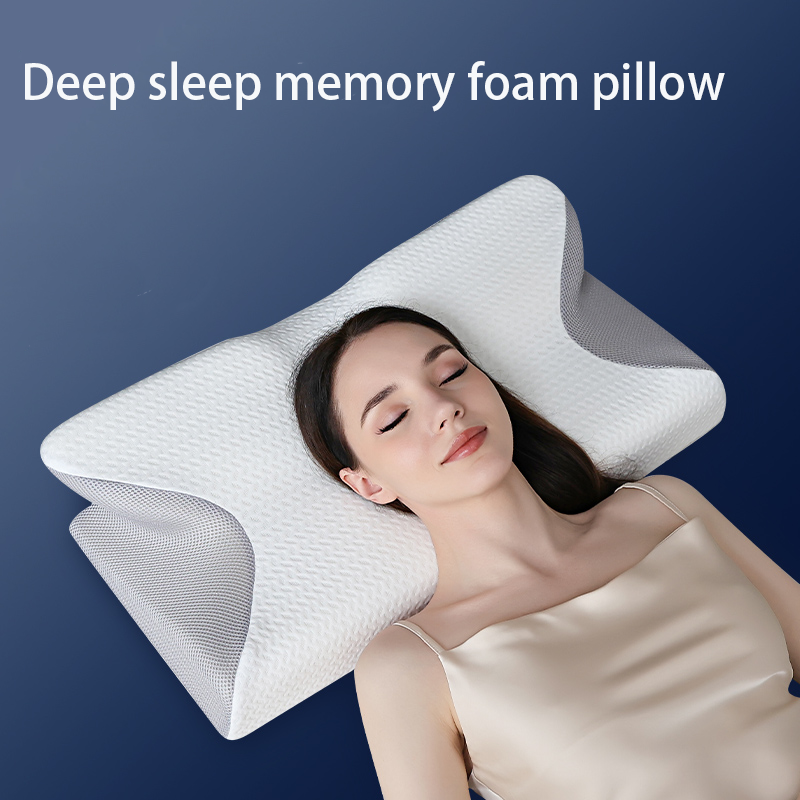
Contour Pillow
High-Side Pillow: Ideal for back sleepers. Maintains neck curvature and spinal alignment.
Low-Side Pillow: Suited for side sleepers. Prevents neck misalignment.
Frequent Turners: Also suitable for those who shift positions often.
Other Pillow Types
Flat Pillow: Low-profile design. Suitable for stomach sleepers. Note: Doctors generally discourage stomach sleeping.
Wave Pillow: Features a wavy structure. Supports the neck and shoulders. Suitable for those with severe neck pain or who work at a desk for extended periods.
Cervical Pillow: Small cylindrical shape. Can be used alone or placed under a regular pillow for added support.
Support: When lying flat, the pillow maintains the neck’s natural C-curve. This keeps the neck and back aligned. This reduces pressure on intervertebral discs and nerves.
Pressure Relief: When sleeping on your side, head weight presses on shoulders and neck. Memory foam disperses this pressure. Studies show it reduces pressure by 30% compared to regular pillows, easing soreness.
Sleep Quality: A 2022 study found Memory Foam Sleeping Pillow users fell asleep faster, slept longer, and experienced less neck pain upon waking.
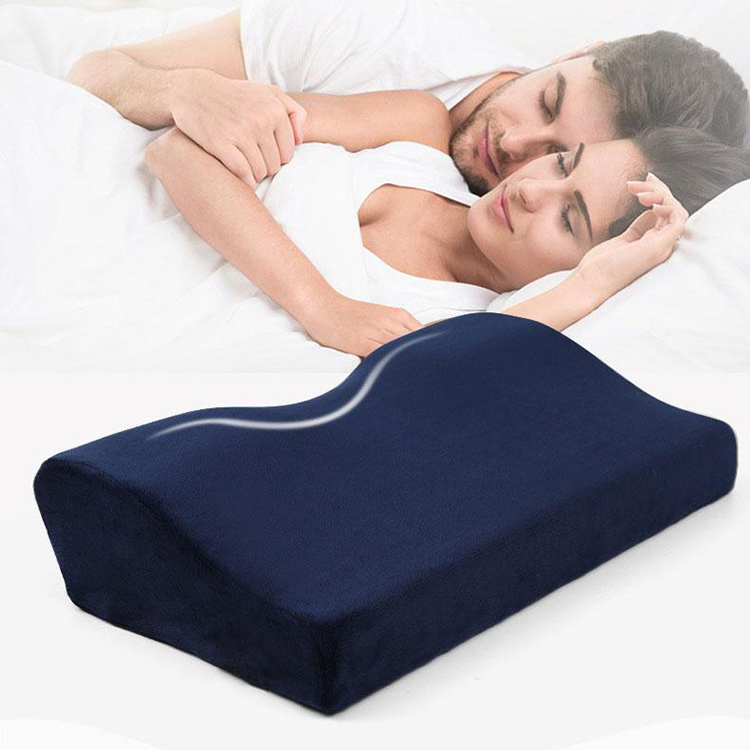
Memory Foam Sleeping Pillow conform to the neck, distribute pressure, and maintain spinal stability. Thus, they alleviate neck pain and offer greater comfort than regular pillows. However, they cannot cure severe cervical spondylosis or herniated discs.
How to Choose: Select based on your sleeping position and preferred firmness to minimize discomfort.
When to see a doctor: If pain persists for months, or if you experience arm numbness or limb weakness, seek medical attention. A doctor will provide diagnosis and treatment to prevent worsening.
Memory Foam Sleeping Pillow conform to your neck, distribute pressure, and help maintain spinal alignment. They can relieve neck pain and improve sleep. However, they cannot cure severe cervical spine issues. If you experience only mild neck pain, consider switching pillows. For severe or persistent pain, seek medical attention.
If you’re ready to switch pillows, visit our official website. We offer memory foam pillows in various shapes and sizes. Our team can help you select the right style. Don’t let neck pain disrupt your sleep and daily life. A healthy cervical spine and good sleep are actually within easy reach.

We provide professional OEM/ODM services to make your memory foam pillow a reality in a precise and meticulous way.
Privacy Policy | SiteMap
Copyright Wenzhou Dengchuang Home Textile Co., Ltd.